THE ROAD TO SOMEWHERE: JACK VETTRIANO CAN’T PAINT!
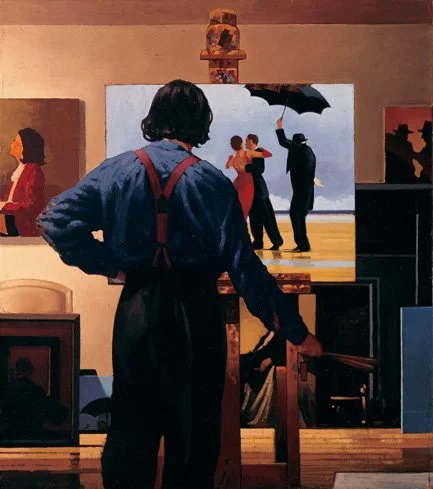
I first discovered Jack Vettriano’s paintings, not hanging in a gallery, but on the walls of my Gran’s little Clydebank council house. Stylish and house-proud, she curated prints of Mad Dogs and Dance Me To The End of Love and framed cutouts from calendars. Little film cells capturing Hollywood noir, ballroom glitz, and strangers on the beach, all done up to the nines — showcased between family photos, wedding snaps, and awkward baby me.
Like many homes of the late 90s/early 2000s, Vettriano’s paintings became a staple, bridging a gap between classes and tastes, old and young, the artistic and the cinematic. Here in the kitchen of a flat-roofed house, a calendar hung like the Bayeux Tapestry; there, The Singing Butler in the background of a Fratellis music video; Vettriano originals even coveted by celebrities such as Jack Nicholson, Robbie Coltrane, and Fergie.
So, why weren’t Vettriano’s paintings in my local art museum, or better yet, The National Gallery? Why, in high school art, was I dissuaded from studying this popular, bestselling, contemporary Scottish artist — instead, sat before the old masters and old familiars? Could it be because Vettriano himself never had an art teacher? Or was it something to do with those strange, curtained rooms at Kelvingrove’s one-off Vettriano retrospective in 2013 — those paintings with NSFW warning tags I was too young to gaze upon? This was before I knew of the prestigious art world, how many copies The Singing Butler had sold, why Vettriano was on the front cover of the Daily Record, or even before I understood his origins as a working-class miner from Fife. There was a story to tell.
Fittingly, like the stories glimpsed in many of Vettriano’s paintings, this stage play began life in pursuit of romance: a date in an art gallery, the conversation falling to our favourite artists. I immediately made my feelings for Vettriano clear, and so came that response I’ve seen echoed by art critics and Facebook armchair commentators alike: Jack Vettriano Can’t Paint. The play was born from that singular, tiny conflict — what is art? What makes art good? Is it technique? The story behind it? The artist themselves? Their education? How their art makes us feel? At its core, that’s what this play seeks to question.
Here we have an imagined conversation, staged on a beach combed straight from the artist’s canon - a conversation about art, about romance, about escape, between artist and subject; between people in conflict with themselves and with one another.
Supporting this narrative, I’ve chosen a series of paintings to bring to life on stage, hoping to immerse audiences in Vettriano’s bygone, windswept, often clandestine scenes. Brand new audiences who may be unfamiliar with the artist; critics of his work; those who’ve sat for a pint under his portrait of Billy Connolly on the wall of a Glasgow beer garden; and those of us who’ve always escaped into his paintings. It’s been invaluable, therefore, meeting with Carolyn Osborne of the Jack Vettriano Estate, whose blessing and confidence in my writing have helped me enormously.
Like Vettriano’s own early career, knock-backs, rejections, false starts, and a great deal of perseverance preceded this play’s journey to the stage. But then, a breakthrough! I first met with Pitlochry Festival Theatre’s star Artistic Director Alan Cumming in April 2025, when he commissioned a new draft. From there, we developed this into an intimate spectacle that breathes life into Vettriano’s world - the fantasy, romance, and escapism a working-class Scot conjured onto canvas.
Despite the exclamations from the critical world that Vettriano can’t paint, we’ve endeavoured to shine a light on his art and inspiring story of perseverance, from mines to millions. This play invites audiences, whoever they are, to come together in a different sort of gallery and see the art for themselves.
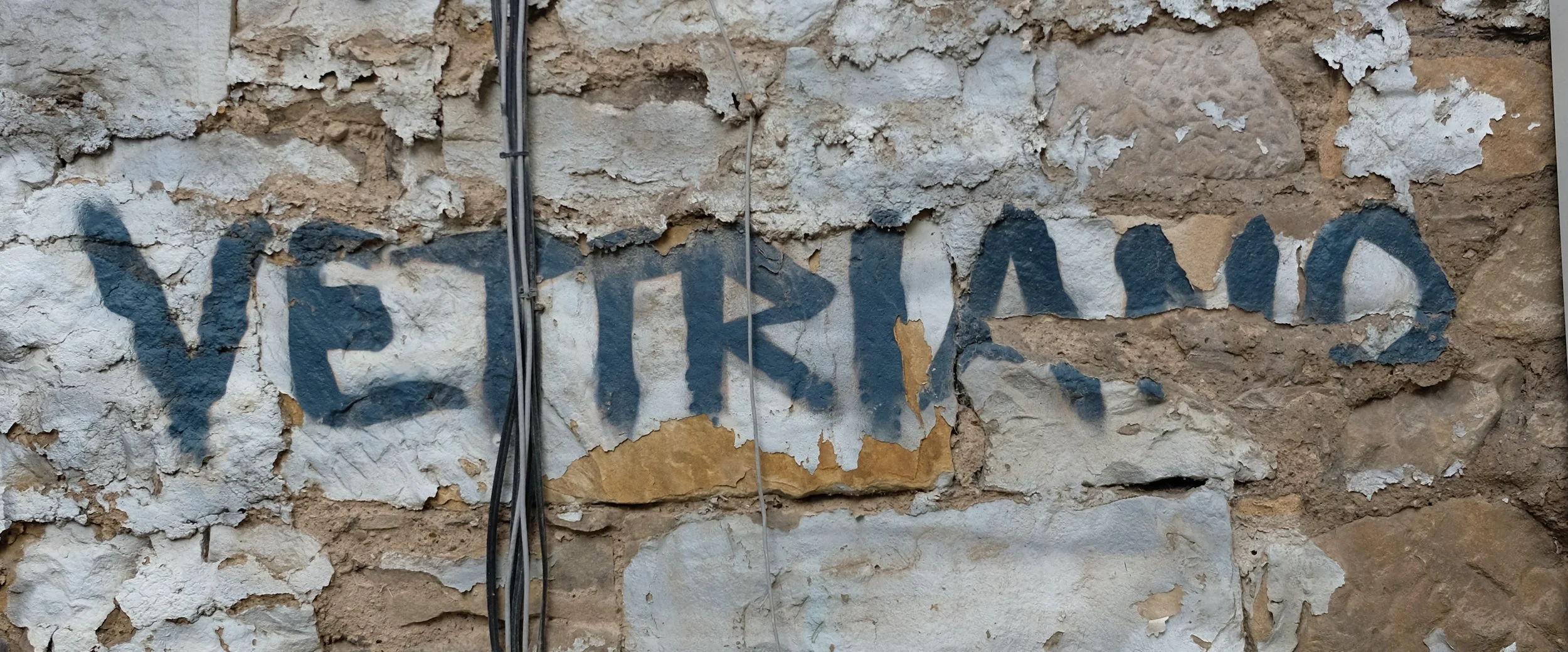
Dr Connolly, I Presume? Hootenanny Mural, Glasgow. Jack Vettriano + Art Pistol Projects and Rogue-one, 2017.